"We treat it like we're rolling out a piece of tech — just trying to get people to use and adopt it."
Most organizations are managing AI like a software rollout. The real work people leaders are trying to move forward is harder: bridging the gap between rapid deployment and actual human alignment — before hidden risks like policy conflicts, content sprawl, and false oversight signals compound into something harder to fix. The work is getting stuck because the governance, accountability, and data structures needed to support AI at scale weren't built before the tools went live. That gap is now showing up in real operations, real delays, and real exposure.
Perspectives shaping the work
This live interactive discussion brought together L&D leaders, change management practitioners, and talent executives from across enterprise organizations — each navigating their own version of the same underlying challenge: AI is already running in their organizations, and the management infrastructure hasn't caught up. Before the discussion opened, a live poll asked the room where AI was already creating the most risk. The top answer: AI tools used without shared practice. Not a future concern. A current reality.
Who was in the room: This working exchange brought together L&D executives, people leaders, and talent strategists from across the ELE community — professionals actively navigating enterprise AI licenses, workforce capability questions, and the pressure to show ROI on tools their teams may or may not be using well.
Blind Spot 1: Deploy Then Govern
The instinct is understandable. Tools are ready, the tech team has invested, employees are waiting. So organizations launch — and then discover that existing data protection policies, infosec requirements, and compliance frameworks weren't written with AI in mind.
The result isn't just a policy update. It's a delayed rollout, a scramble to rebuild employee trust about what's actually safe to put into a tool, and the realization that governance should have been the first conversation, not the cleanup.
There's a second layer: the endorsed company tool is never the only tool in play. Vendor platforms have AI embedded. Employees have personal devices. If the company tool doesn't meet their needs, they'll find one that does — and that ecosystem of shadow usage is where unmanaged risk accumulates.
"Don't assume the tool you give them is the only tool they have."
Blind Spot 2: Content Governance Sprawl
GenAI makes people more productive. More productive people produce more. That's the paradox nobody is talking about loudly enough.
As highlighted during the working exchange:
"It makes people more productive. Isn't that wonderful? Well, maybe."
When output volume rises faster than attention can scale, organizations end up managing content sprawl instead of content strategy. Duplicate efforts multiply. People with no L&D background use AI to produce polished-looking deliverables — and the finish quality that once signaled expertise and care no longer does.
"AI is good at making things with fit and finish — what we'd typically call a human marker of trust."
When that heuristic breaks down, so does the ability to quickly assess quality, credibility, or strategic alignment. The fix isn't slowing down output. It's aligning content strategy directly to organizational strategy — and being willing to tell people no, even when what they've made looks good.
Blind Spot 3: Confidence Theater vs. Actual Oversight
Audit logs and dashboards create the feeling of control. That feeling is the problem.
"There's a lot of confidence theater — making you feel you have control because you get a report."
Real oversight requires the ability to intervene before a workflow at autonomous scale compounds an error — not document it afterward. The gap between those two is where significant operational risk lives. An extreme example from the discussion: an AI agent that deleted an entire company's codebase in nine seconds, with no mechanism in place to stop it in time.
The data layer compounds this. Agentic AI operates from the context it's given. Bad data doesn't slow agents down — it directs them. Organizations that haven't addressed underlying data quality issues before layering agents on top aren't getting AI efficiency. They're getting accelerated bad outcomes.
The reframe that emerged: stop treating AI like software to deploy and maintain. Start treating it like a workforce to hire, onboard, set expectations for, give feedback to, and hold accountable.
What to try next
- Run a policy conflict audit before the next AI tool launch. Pull your current data protection, infosec, and compliance policies and map them against planned AI workflows. Identify the conflicts before employees do. Early evidence signal: How many existing policies technically prohibit workflows your team is already using?
- Build one human intervention checkpoint into your highest-volume AI workflow. Identify the autonomous workflow running at the greatest scale in your organization and define the specific trigger that requires a human to stop or redirect it — before it compounds. Early evidence signal: Can your team describe that trigger point today, or does the workflow run without one?
- Audit your content ecosystem against your organizational strategy. Take the last 30 days of AI-assisted content produced in your org and ask: how much of this maps to what leadership has said people should be seeing and doing? Early evidence signal: Where is content being produced because someone can, rather than because the organization needs it?
Bring your work into the room
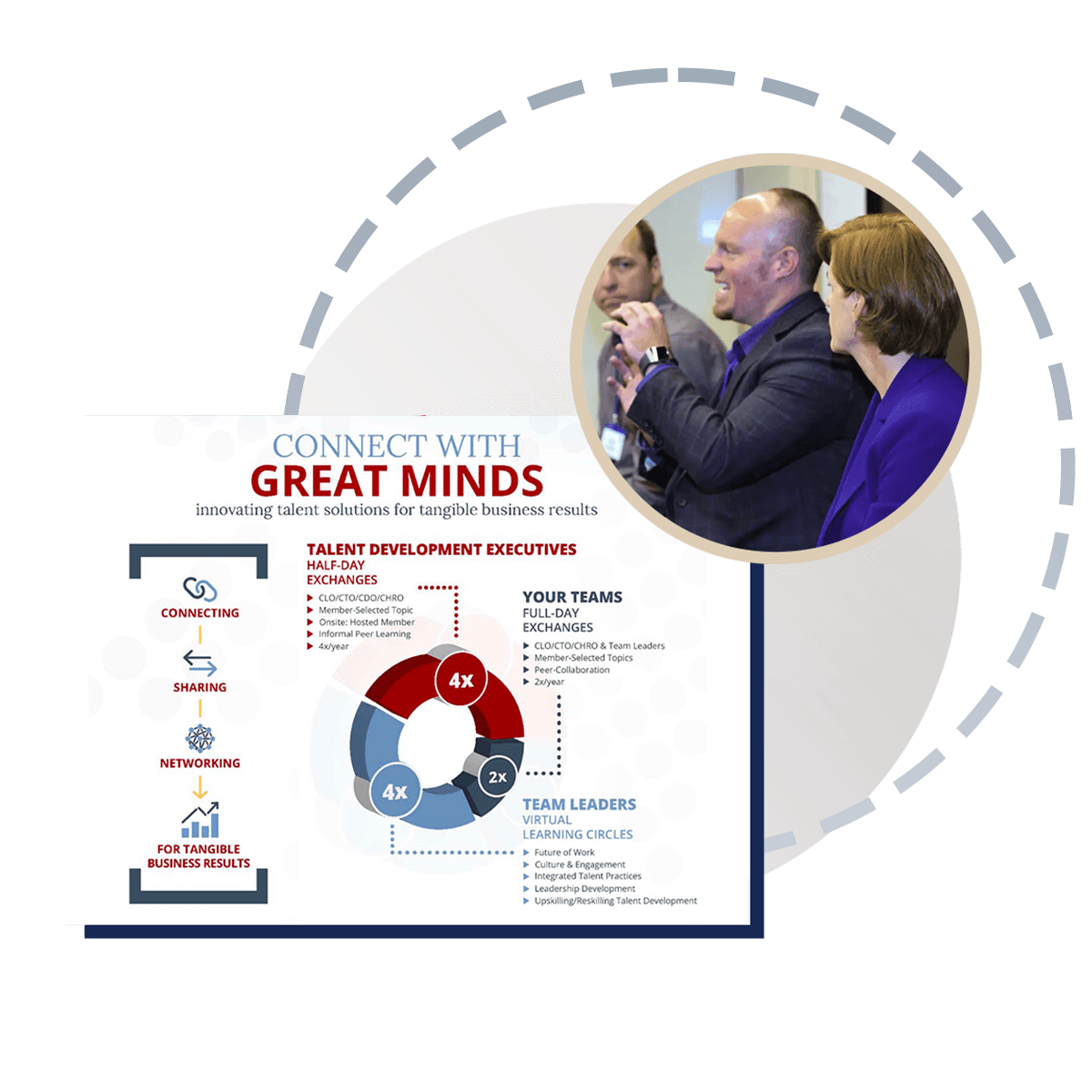
If this connects to real work you are trying to move forward, bring it into the ELE community. Share the challenge, compare signals with trusted peers, and leave with practical next moves you can use.
Submit My Challenge Now: https://www.ele.llc/faqs/share-top-of-mind-talent-challenges