"A candid organization will always outperform the nice organization. Every time."
Most people leaders already sense it. The team is polite. Meetings run smoothly. Nobody raises their hand to disagree. And yet execution stalls, ideas go unspoken, and the real problems never quite reach the people with the power to fix them. The work getting stuck isn't a skill gap or a willpower deficit — it's a system that has been quietly rewarding silence. Fixing it means upgrading the environment, not just the individual.
That was the sharp, practical challenge put to people leaders at the ELE Spring Conference keynote experience: stop patching people and start redesigning the conditions that shape their behavior.
Leaders in the conversation
The room brought together people leaders, senior HR practitioners, and organizational development professionals evaluating a question that cuts across every industry: why do high-potential teams stall — and what does it actually take to move them forward?
During one live moment, leaders physically stood and placed themselves on a spectrum from artificial harmony to radical candor — mapping where their own teams sit right now. Most landed in the middle. That gap between where teams are and where they need to be was the working material for everything that followed.
The B=f(P,E) System Fault
Organizations spend roughly 90% of their development budgets on the person — skills, mindset, willpower. The remaining 10% goes to the environment: incentives, norms, psychological safety.
The problem is that behavior is a function of both. When the environment implicitly rewards silence, individual development produces short-term change that relapses the moment pressure returns. Blame shifts to the individual. The system stays intact.
"You can't just tell people they're safe. You have to create the environment for it."
The reframe: before the next coaching engagement or leadership program, ask whether the environment is actually set up to reinforce the behavior being developed. If not, the investment is working against itself.
Dismantling Artificial Harmony
There's a version of "nice" that looks like a healthy culture from the outside. People smile in meetings. They nod. They say the right things. And then, behind the scenes, nothing moves.
This is artificial harmony — and it carries a steep operational cost. Research cited during the working exchange points to executives seeing just 4% of the problems their frontline workers see every day. That isn't a communication failure. It's the structural consequence of a culture where speaking up feels riskier than staying quiet.
"You can feel the thickness in the room around the ideas not being shared."
Frontline workers often hold the clearest picture of what's broken — and what would fix it. As surfaced in the live discussion: "We've been saying this for 10 years. Now a consultant comes in and people are listening." That dynamic — where outside voices carry weight that internal ones don't — is a signal worth sitting with.
Nice is avoidance that sacrifices outcomes. Kind is truth-telling that protects the mission. The distinction matters because it reframes candor not as confrontation, but as care.
"Nice is saying what people want to hear. Kind is saying what they need to hear."
Moving a team from nice to kind isn't about declaring a culture of courage. It requires building the conditions — trust, safety, clear agreements — where telling the hard truth feels like the expected norm rather than a personal risk.
Implementing the CARE Leadership OS
The CARE model — Clarity, Autonomy, Relationships, Equity — was introduced as a practical operating system for leaders trying to build environments where candor becomes sustainable rather than episodic.
Clarity means seeking to align. Set agreements early and often. When expectations shift, renegotiate openly rather than letting ambiguity breed silence.
Autonomy means seeking to entrust. Once agreements are clear, create the sandbox — give people room to use their judgment, their creativity, their best thinking. Autonomy without clarity produces chaos. Clarity without autonomy produces compliance. Neither is the goal.
Relationships means seeking to know. Not just performance data or job history — the story behind the person. What motivates them. What they're working toward. What kind of support actually helps them move.
Equity means seeking to adapt. Equal outcomes, not equal treatment. Knowing someone well enough to give them what they specifically need to succeed — not what works for everyone else.
These four aren't sequential steps. They run together. Pull one out and the system weakens.
What to try next
- Run a permission opener before your next hard conversation. Use the prompt: "Can I share an observation that might help?" It signals intent, reduces threat response, and opens a door without forcing it. Early evidence signal: notice whether the other person's body language shifts from defensive to receptive within the first exchange.
- Ask for advice before you give it. Consistently ask peers and direct reports: "What advice do you have for me?" Modeling vulnerability normalizes the ask in both directions. Early evidence signal: within a few weeks, track whether others start using the same question unprompted.
- Audit your team agreements. Identify one area where expectations feel vague or where compliance has replaced genuine buy-in. Bring it into the open — not as a performance conversation, but as a renegotiation. Early evidence signal: a team member raises a concern or proposes an adjustment within the next two working cycles.
Bring your work into the room
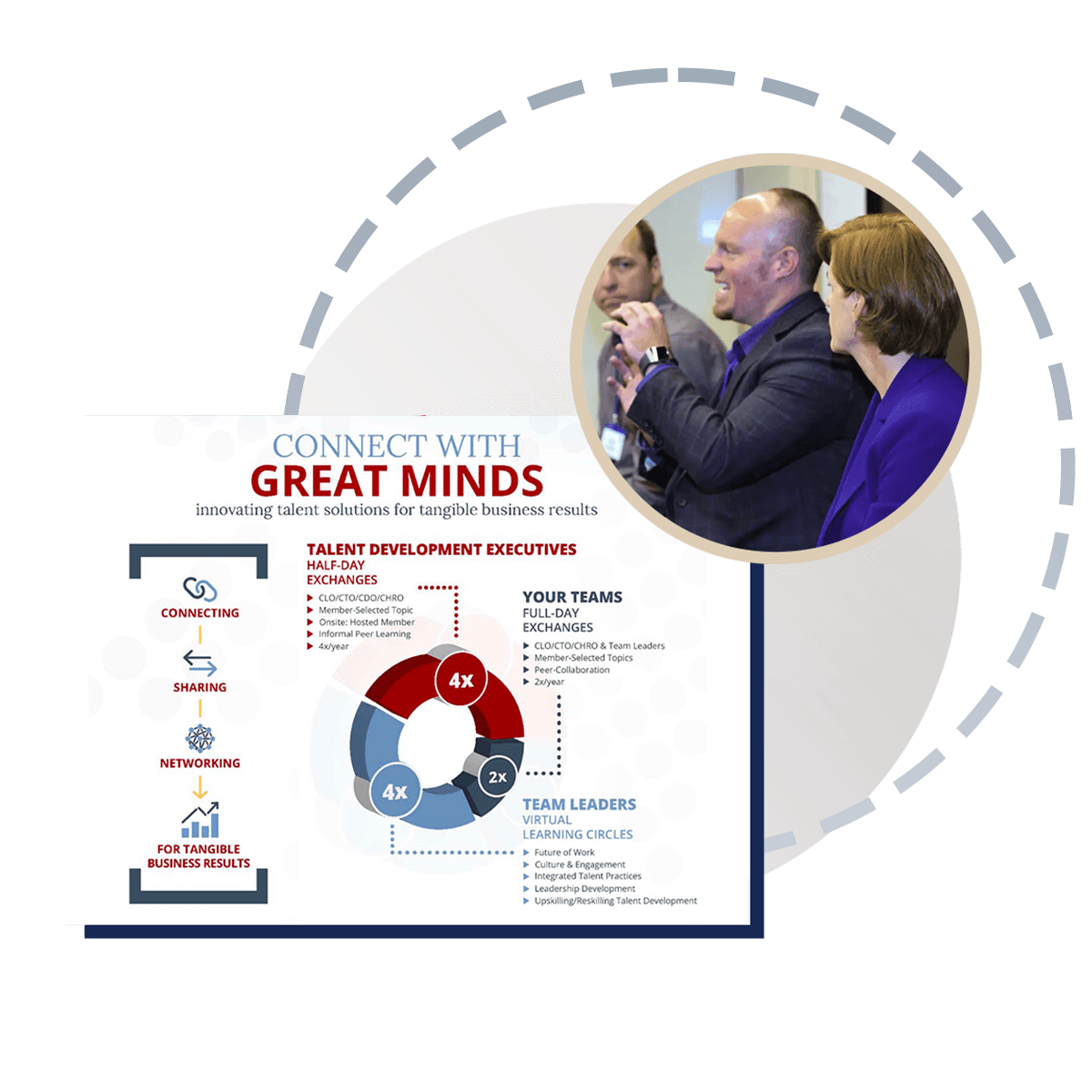
If this connects to real work you are trying to move forward, bring it into the ELE community. Share the challenge, compare signals with trusted peers, and leave with practical next moves you can use.
Submit My Challenge Now: https://www.ele.llc/faqs/share-top-of-mind-talent-challenges