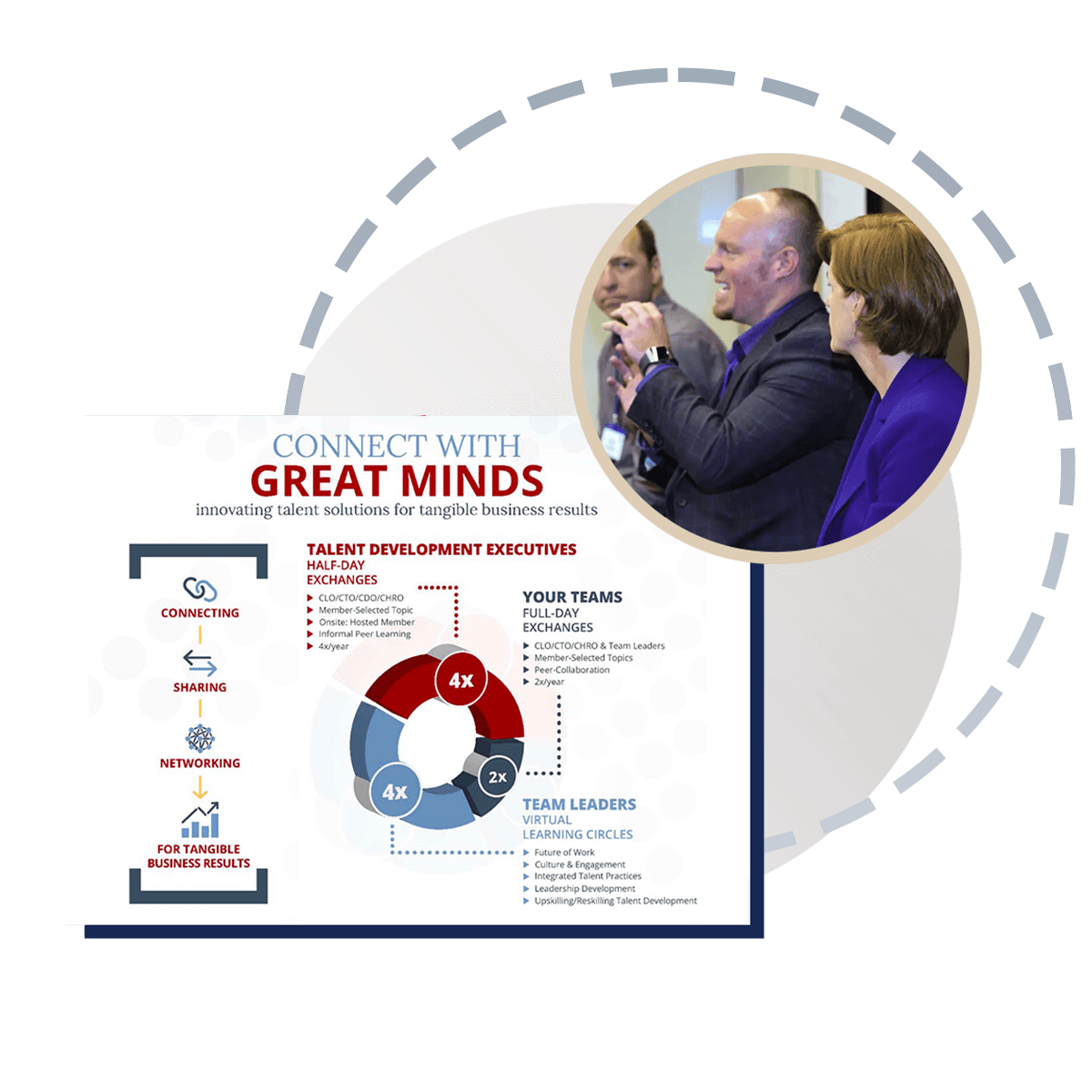
Session Focus: Lead Belay combines self-reflection, peer learning, group coaching, and experiential learning to give emerging (millennial) managers needed support.
This session provided valuable insights into the power of cohort-based learning for leadership development, especially in today’s challenging work environment.
As many organizations seek more effective ways to prepare managers, cohort learning offers a uniquely engaging and human-centered approach.
"Engagement is the key to effective learning, and cohort learning resonates because it meets our fundamental human need to connect.” - Michael Kester
Here are three key takeaways to consider for integrating cohort learning into your leadership development strategy:
1. Peer-Based Learning Drives Lasting Impact
People learn more effectively and are more likely to change behaviors when learning with peers who face similar challenges. Cohort-based approaches harness this by creating a support network that goes beyond traditional, expert-led training.
2. Safety and Trust Enable Authentic Growth
Small, well-matched groups foster trust and openness, creating a safe environment for participants to share real challenges. This openness is crucial for meaningful leadership development and helps build a culture where managers can connect, learn, and thrive.
3. Focus on Purpose and Connection
Cohort learning resonates because it aligns with a fundamental desire to work on meaningful challenges alongside people we trust. By centering learning around real, relevant work, cohort-based programs enhance engagement and promote the application of new skills.
For HR leaders, these insights make a compelling case for cohort-based learning as an impactful investment in today’s managers and tomorrow’s leaders.