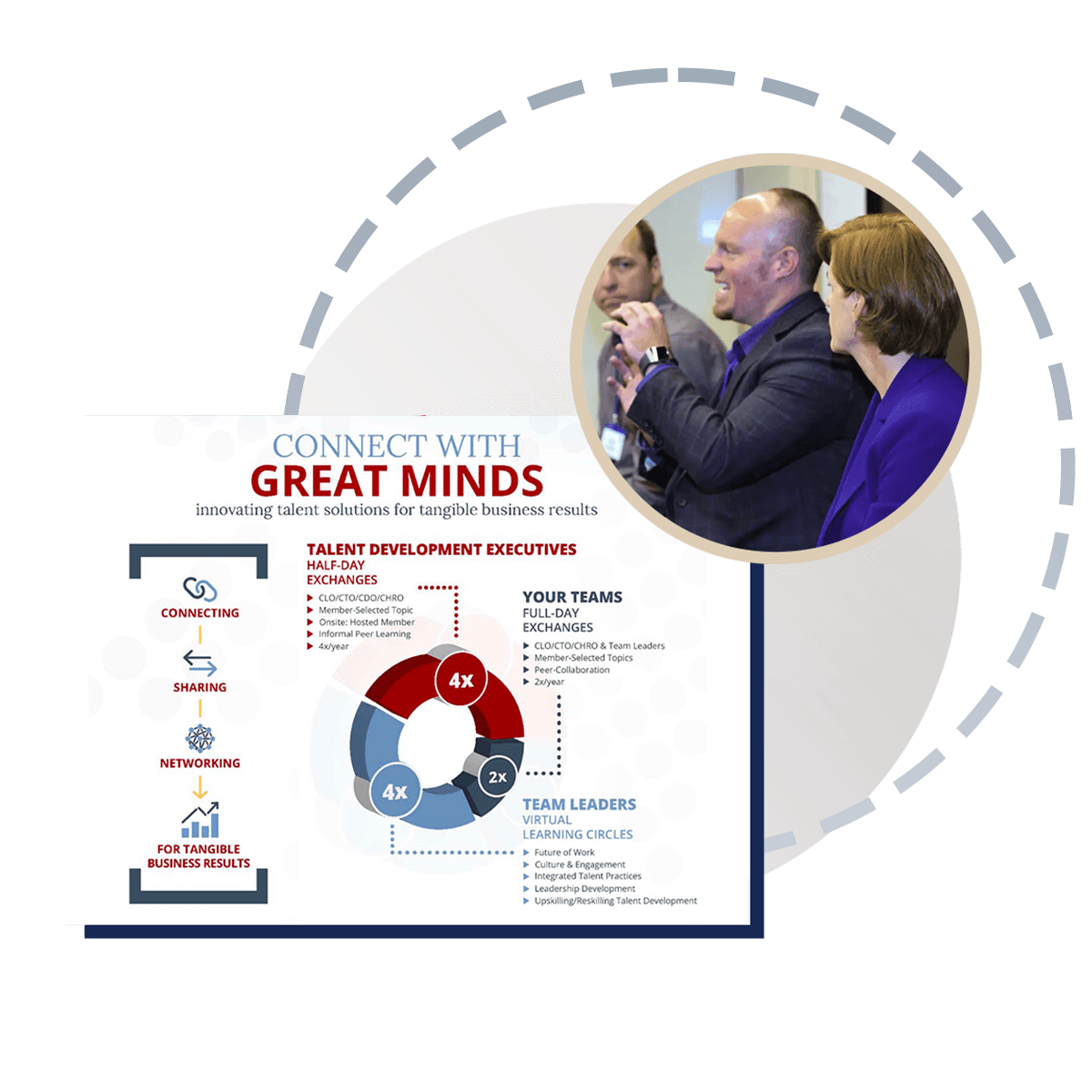
This highlight video is from the June 19, 2026 live discussion Design Charrette | Cognitive Overload and Burnout Is an Execution Problem
"Burnout is related to something that's in the leader's control — lack of adequate resources, unclear strategies, an imbalance of workload distribution." — Darcy Pierson, Oshkosh Corporation
The real work on the table
This isn't a wellness gap. It's an execution gap.
Burnout and cognitive overload are accelerating — and most organizations are still routing the problem to HR. People leaders are absorbing elevated technology expectations without the process infrastructure or human support to make that work. Meanwhile, the employees carrying the load are going quiet, going heads-down, and eventually going elsewhere.
That's the work that was on the table on June 19.
 The room rated burnout as accelerating in both frequency (4.5) and intensity (4.3) out of 5.
Leaders in the conversation
On June 19, a cross-industry group of people leaders gathered for a Design Charrette — a structured, community-powered working exchange built to pressure-test real problems, not generate another slide deck of recommendations.
Dirk Tussing (ELE) framed the working lens from the start: ELE operates as a working think tank. "A lot of think tanks just think, but we're working." The Design Charrette format was chosen specifically to put problem-solving in the hands of the people closest to the work.
Ali Glaser (Planned Parenthood of Northern, Central, and Southern New Jersey) brought her practice as an executive coach and burnout prevention specialist. She named the systemic failure early and directly — before breakouts even started.
Darcy Pierson (Oshkosh Corporation) arrived with live data: over 200 open-ended comments from an active team member engagement pulse, a significant share tied directly to workload and leadership clarity.
Vilson Simon (LAK Group) facilitated the risk and trade-offs breakout, surfacing the process-quality problem underneath AI adoption.
Patti Ouzounian (ELE) led the shared signals group, naming the behavioral chain that precedes burnout — before most organizations act on it.
Brenda Fairfull (Froedtert ThedaCare Health) brought a frontline clinical lens: what burnout looks like when it reaches the end of the line, and what organizations pay when it does.
Spotting the silenced signals
Group 1 mapped the behavioral sequence people leaders most often miss — or catch too late.
Team members going heads-down. Stopping lateral communication. Isolating just to get through the day. Reducing output quality. Missing deadlines. Making worse decisions — for the business and for the people around them.
"They're not communicating with others. They're kind of isolating, right? Just to get through their day." — Patti Ouzounian
These aren't personality shifts. They're operational signals. And they show up well before anyone submits a formal complaint or resignation.
The group also named what's happening at the structural level: decisions made without adequately accounting for the human cost. Layoffs executed. Then the remaining team asked to absorb the gap.
"People that are left after layoffs are being asked to do much, much more with much less help." — Patti Ouzounian
Flipping the ownership
Group 2's sharpest insight: this is precisely the moment organizations are most likely to cut leadership development — and precisely the moment it matters most.
Darcy Pierson's pulse survey data made the case concrete. The comments weren't about personal resilience or work-life balance philosophy. They pointed to unclear strategies, uneven workload distribution, and insufficient resources — all things inside a leader's direct control.
 The room's read: accelerating change and increasing burnout are directly connected (4.3/5 consensus).
The group also tracked an erosion in the day-to-day leadership behaviors that build team durability: emotional intelligence, psychological safety, the basic act of explaining the why behind a business decision before asking people to absorb it.
When those behaviors erode, burnout follows. Not because people are fragile — but because the structural supports are gone.
Anchoring the tech foundation
Group 3 named the AI adoption trap that almost no one is talking about openly.
People receive new tools — Copilot, Gemini, others. They build competency. Then they watch a colleague's role get eliminated. The message received: learn the tool, then become redundant.
That anxiety compounds when the technology lands on broken processes and incomplete data.
"We are putting technology on broken processes and bad quality data." — Vilson Simon, LAK Group
The fix isn't slowing AI adoption. It's sequencing it correctly: clean the process first, then layer in the technology.
The cost of doing nothing
Brenda Fairfull made the trade-off visible with a frontline clinical example that landed hard with the group.
Nurses give until they have nothing left — then leave. The organization backfills with agency staff: expensive, and without the institutional mission or values the permanent team carries. New hires arrive into the same unaddressed conditions.
"We're gonna bring on new employees, but have we changed anything to stop the burnout for them?" — Brenda Fairfull
The cycle continues. The cost compounds. The root cause stays untouched.
What to try next
- Run a behavioral signal audit before your next engagement survey. Don't wait for survey results to act. Ask your managers this week: who on the team has gone quieter in the last 30 days? Stopped asking questions? Dropped out of collaborative work? Those behavioral shifts precede burnout — they don't follow it.
Early evidence signal: if managers can't answer the question, that's the gap. - Pull team members into the survey comments — don't just present findings to them. Darcy Pierson's takeaway wasn't to analyze the 200+ comments and bring back recommendations. It was to bring team members into the co-design conversation to shape the response. The people closest to the broken workflow usually already know what needs to change.
Early evidence signal: participation rate and specificity of ideas generated in the first co-design conversation. - Before your next AI tool rollout, map the process underneath it. Identify one workflow where AI adoption is planned or underway. Before expanding access, run a process quality check: is the data clean? Is the workflow sound? Fix the foundation first.
Early evidence signal: reduction in error rates and rework in the first 60 days post-process cleanup, before the tool goes wider.
Bring your version of this into ELE
Mounting workloads, chronic 70-hour weeks, and AI performance expectations are being layered onto broken workflows — and valuable people are quietly isolating or walking out entirely while organizations keep cycling new hires into the same unaddressed conditions. This is exactly the kind of work your team is struggling to move forward — and it's exactly what the ELE community works through together.
Shape what gets on the calendar. Submit your challenge, then vote for the ones worth solving first.
Submit Your Challenge: https://www.ele.llc/calendar/submit
Vote for what matters most: https://www.ele.llc/calendar/vote