Moving Beyond the Polished Leadership Playbook
Most leadership development still runs on tidy frameworks that look great on a slide and fall apart under real pressure. Treat leadership as a competency checklist, and you lose what actually builds resilience: leaders' lived experience, different perspectives, and the willingness to say what's true.
Leadership Voices: Brave Leadership. Breaking Barriers. Building Community., led by Jennifer Wright, is an anthology of leaders sharing the journeys and lessons that shaped them. It doesn't hand you a formula. For directors and VPs in HR, talent, and learning and development (L&D), that's the point: leadership capability grows through courage, removing the obstacles that hold people back, and anchoring teams in real community. Fitting a legacy mold isn't on the list.
The Blueprint: Three Pillars of Human-Centered Impact
Read through a talent lens, the stories in Wright's anthology point to three shifts that modernize leadership culture:
- Practicing Brave Leadership: Courage at work shows up in small, daily choices: sharing what you know, admitting what you don't, and raising hard truths with people who hold more power. Leaders who model this make it safe for teams to flag risks early and try new ideas.
- Dismantling Structural Barriers: Inclusion stalls when it lives in a standalone HR program. Progress comes from examining who gets promoted, who gets mentored, and who gets a say in key decisions, then changing the processes that produce those outcomes.
- Building Authentic Community: Organizations hold together through trust between people, not just reporting lines. Building community means moving past transactional networking to peer connections where leaders share struggles, trade ideas, and lift each other up.
Why It Matters for the ELE Community
For HR, talent, and L&D leaders in the ELE community, this book reinforces how leaders actually grow:
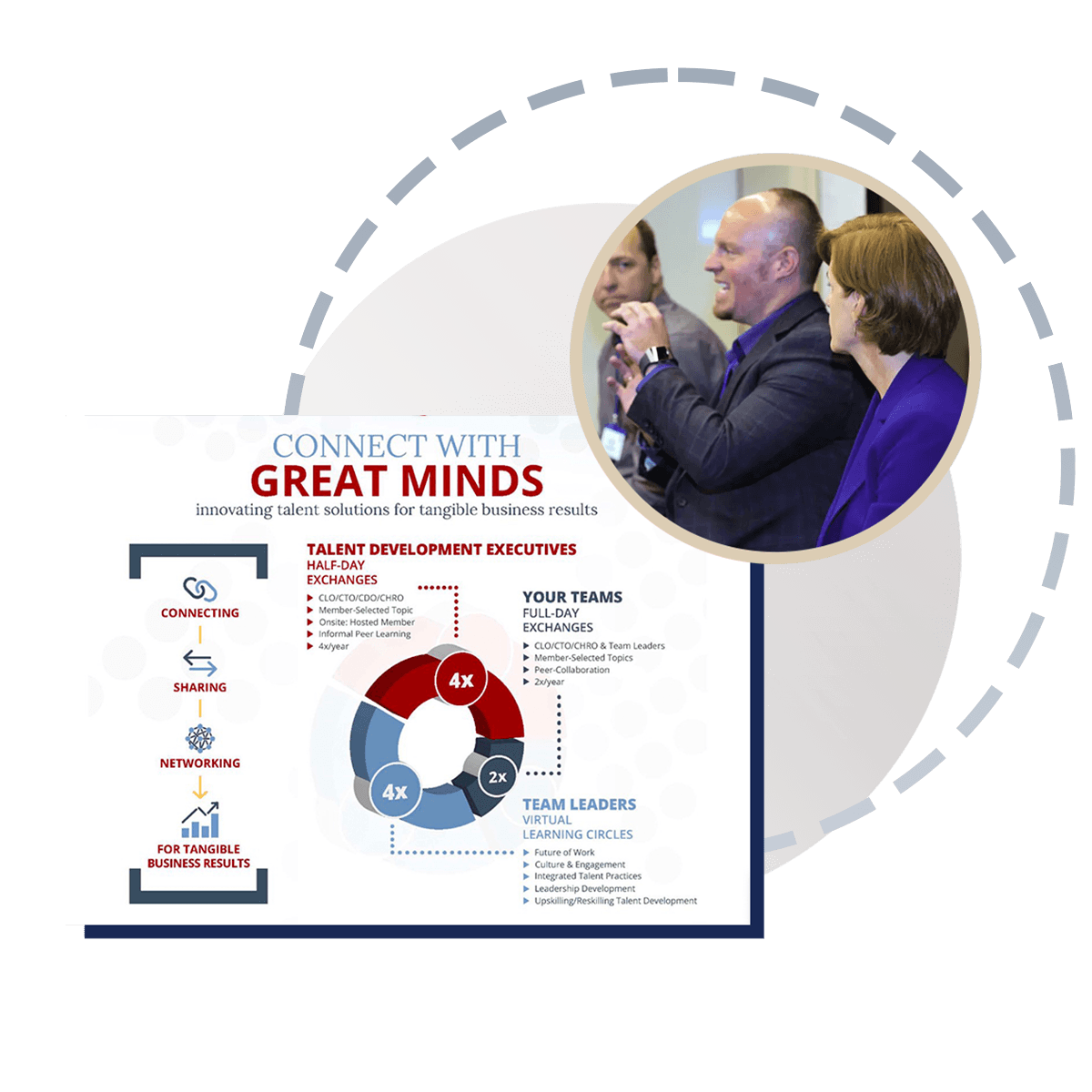
- Validating Community-Powered Learning: ELE runs on candid, practitioner-led exchange, not vendor pitches. Wright's anthology makes the same case: leaders learn fastest from the lived experience of their peers.
- Re-evaluating Executive Presence Criteria: Use these stories to test how your succession planning defines "executive presence." High-potential leaders shouldn't get filtered out because their style breaks with tradition.
- Humanizing Organizational Change: As AI reshapes roles and restructuring becomes routine, lasting change starts with listening to the people doing the work.
The next generation of leaders won't come from mastering yesterday's playbook. They'll come from organizations willing to amplify different voices, remove structural barriers, and build development around real community. Stop grooming leaders to fit old molds. Start with the outcome you need, then redesign the work so authentic leadership can thrive.
Working on how your organization spots and grows leaders who don't fit the traditional mold? Bring that talent challenge to the ELE community.