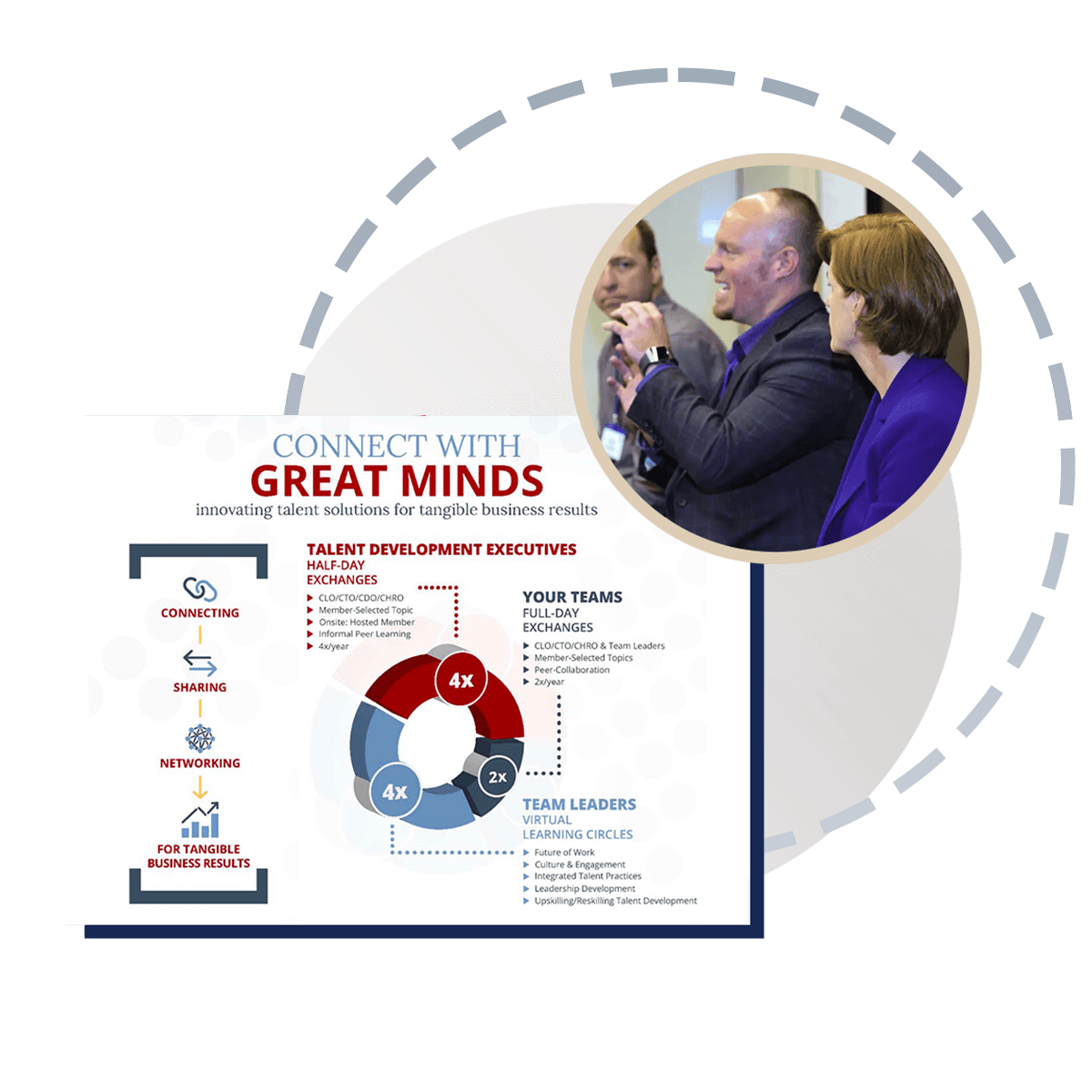
This highlight video is from December 12, 2025 session 2025 in Review, 2026 in Focus: Defining Talent Priorities for the AI Workforce
This live discussion provided a necessary strategic pause, reframing the challenges of 2025—a year defined by AI acceleration outstripping governance and skills—into a clear, action-oriented agenda for senior HR and Talent leaders in 2026.
The session, which focused on turning 2025's lessons into 2026's impact, moved beyond a simple recap to identify the structural gaps holding organizations back: unclear roles, inconsistent manager readiness, and a lack of skills and governance to match the speed of AI experimentation.
The Core Narrative: Addressing Structural Crisis and Strategic Mandate
The key insight is that AI has exposed profound flaws in organizational design, making the chief priority for 2026 a fundamental overhaul of how we define and manage work itself.
"Work is evolving faster than roles, causing heartburn around antiquated job structures." -- Megan Bickle, Rothy's
This structural crisis demands that the talent function lead the charge in strategic redesign.
Key Takeaways for Senior HR Leaders:
-
The Structural Work/Role Disconnect is HR's New Crisis: Work is evolving faster than antiquated job roles, creating "heartburn" over compensation and structure.
-
Operational AI Exposes Manager Readiness as the #1 Governance Gap: As AI moved from testing to operations, the primary bottleneck became inconsistent manager capability to govern and coach its use.
-
L&D's Identity Must Pivot to 'Designer of the Blended Workflow': The talent function must strategically design the integration of human work and AI systems, moving humans up the value chain.
-
The Future of Work is a Mental Health Design Challenge: Strategic investment is shifting to proactively redesigning work to protect psychological well-being, moving beyond reactive wellness apps.
The Strategic Mandate: Linking Technology to Business Value
The ultimate goal for 2026 is harnessing AI to maximize competitive advantage. This requires moving past technological enthusiasm to strategic deployment. As Chris emphasized:
"Don't just follow the tech for the tech's sake; it must be linked to a business need." -- Chris Dunford, Aon
This quote serves as the central mandate for any new AI-driven capability investment. When deployed strategically, Matt Donovan confirmed the transformative potential:
"AI takes on tasks to enable humans to move up the value chain."
This is the strategic objective for all talent development initiatives.
Practical Actions for 2026 Strategic Planning
To generate the necessary Talent Development Intelligence and address these strategic and human gaps, ELE leaders called to commit to the following actions:
-
Launch a Cross-Functional "Deconstruction of Work" Sprint: Immediately initiate a project to deconstruct 3-5 mission-critical roles. Identify and map tasks suitable for AI versus those requiring high-value human judgment to inform new job architecture and skill profiles for Q1.
-
Measure Manager Readiness for AI Governance (Not Just Usage): Shift measurement to quantify a manager's capability to govern, embed, and coach the responsible use of AI tools within their team, closing the inconsistent readiness gap.
-
Reallocate L&D Resources to the "Three C's": Pivot resources to leverage AI for Clarifying role expectations, Co-curating third-party content, and Customizing individual learning journeys, making learning embedded in the workflow.
2026 is not the year for incremental change; it is the year for organizational redesign. The talent function’s mandate is clear: lead the overhaul of job architecture, establish robust AI governance through effective manager training, and ensure every technological investment is tethered to a clear business outcome. By focusing on these structural priorities, senior HR leaders can finally turn the disruption of 2025 into scalable business value in the year ahead.